When it concerns the integrity of your home, your roofing is unquestionably among its most important elements. However, like all things in life, roofings have a lifespan, and there may come a time when you're confronted with the dilemma: Should You Fix or Change? Factors to Consider for Your Roof This short article will direct you through the vital considerations that will help you make an informed decision on whether to repair or replace your roofing.
Understanding Roof Lifespan
What is the Average Life Expectancy of Different Roof Materials?
Each type of roof material has unique characteristics and life-spans. Here's a quick summary:
- Asphalt Shingles: Usually last 15-30 years. Metal Roofing: Can last 40-70 years depending on maintenance. Wood Shingles: Typically last about 20-25 years. Tile Roof: Typically lasts 50 years or more.
Understanding these life-spans assists set expectations when examining your existing roof condition.
How Weather Conditions Affect Your Roof's Longevity
Extreme weather conditions can dramatically affect the life expectancy of your roof. For instance, heavy snow can include weight to your roof, while strong winds can lift shingles. Regular exposure to rain can lead to leakages and mold growth. It's essential to frequently inspect your roofing system after extreme weather condition changes.
Signs You Need Roofing system Repairs
Recognizing Visible Damage
If you see missing out on shingles, fractures, or leaks in your attic, it may be time for repair work. Disregarding these signs could result in bigger issues that require a complete replacement down the line.
Interior Water Damage: A Red Flag
Water discolorations on ceilings or walls typically indicate roof leaks. If you find such damage, it's vital to investigate even more-- this may warrant instant repairs.
Signs You May Need a Roofing Replacement
Age Matters: When Is It Time?
If your roofing is nearing the end of its expected life expectancy (15-30 years for asphalt shingles), consider a replacement rather of just patching up problems.
Curling or Buckling Shingles
Shingles need to lie flat against the roofing system; if they are curling or buckling, this indicates they have lost their effectiveness and might require replacing.
Cost Factors to consider: Repair work vs. Replacement
Understanding Repair Costs
On average, small repairs can cost anywhere from $200-$1,500 depending upon severity and labor costs involved.
Weighing Up Replacement Costs
Roof replacement costs differ commonly based on materials utilized. Metal roof may cost in between $5-$12 per square foot installed versus asphalt shingles which might vary from $3-$6 per square foot.
The Role of Roof Contractors
Finding Certified Professionals for Repairs
When selecting repair work, working with knowledgeable roofer is vital. Look for regional contractors with excellent reviews and validated credentials.
When Is It Time to Consult Specialists for Replacement?
If you choose that replacement is essential, speak with numerous professionals for price quotes. Compare their services and warranties before making a last choice.
Types of Roofing Products Available
Exploring Choices: Asphalt vs. Metal Roofing
When considering replacements, asphalt shingles are popular due to affordability however do not last as long as metal roofing which uses toughness and energy effectiveness benefits over time.
Eco-Friendly Options: Green Roofing Options
If sustainability matters to you, think about choices like photovoltaic panels integrated into roof or living roofings covered with plants that can provide exceptional insulation.
Energy Efficiency in Roofing
How Does Your Roofing Affect Energy Bills?
A well-insulated roofing plays a significant function in regulating indoor temperature levels; thus affecting heating and cooling expenses directly. An attic properly ventilated contributes significantly towards energy efficiency as well.
Insulation Strategies That Complement Roofs
Additional insulation methods consist of setting up glowing barriers under roofings which reflect heat away from living areas during warmer months while retaining heat throughout chillier months.
DIY Repair work vs Expert Help
Pros and Cons of DIY Repairs
While some homeowners take pleasure in do it yourself projects conserving cash upfront by dealing with small repairs themselves; mistakes made without proper understanding might lead to more comprehensive damage needing expert intervention later on down the line!
When Not To Try Do It Yourself Repairs
For complex problems like structural damage or substantial leakages near critical locations such as chimneys-- always seek professional help!
Benefits of Routine Maintenance
Preventative Measures You Can Take
Regular examinations every couple of months along with cleansing gutters ensures debris does not collect leading towards potential leakages down road!
Scheduling Expert Inspections
Consider scheduling experts when every 3 years for extensive examinations which help catch issues before they escalate into larger headaches!
Navigating Insurance coverage Claims
Understanding Your Homeowners Insurance Policy
Before making any decisions relating to repair work or replacements; familiarize yourself with what protection choices exist under https://rivercuie239.exposure.co/will-insurance-coverage-cover-my-roof-repair-work-expenses-heres-what-you-need-to-know?source=share-rivercuie239 property owner's insurance policies!
Filing Claims Successfully
Document damages thoroughly using photos taken prior/after occurrences take place ensuring clarity throughout claim processes permitting smoother interactions with adjusters involved!
Frequently Asked Questions (Frequently asked questions)
1. How do I know if my roof needs repair or replacement?
Look out for visible indications like curled shingles and water discolorations inside your home indicating prospective leak; age also factors greatly into life-span considerations!
2. Can I perform short-lived repair work myself?

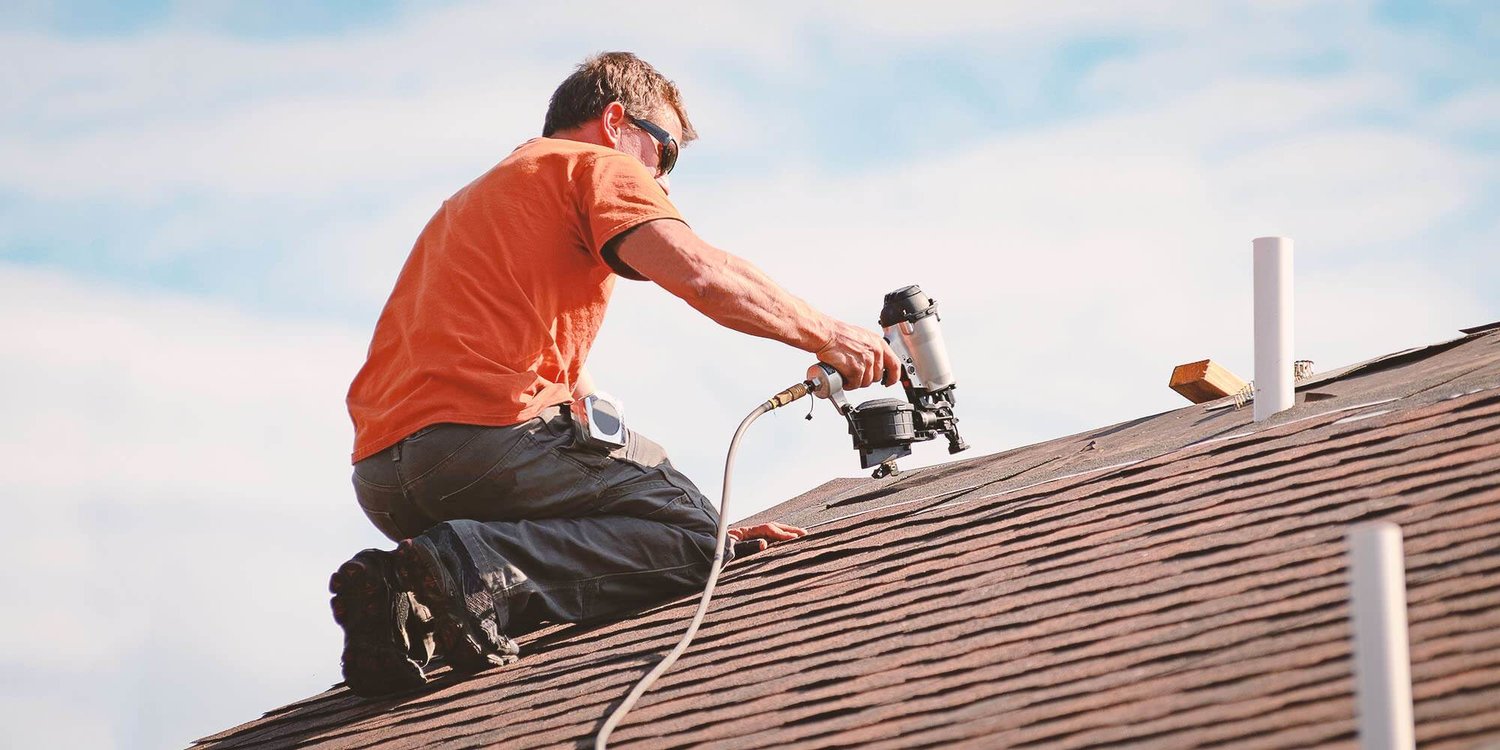
3. Will my insurance coverage cover a complete roof replacement?
Coverage largely depends upon policy specifics; constantly confirm details in advance especially after extreme weather occasions prompting prospective claims!
4. How often need to I have my roof inspected?
At least once every 3 years! After extreme weather condition disturbances likewise prompt immediate checks ensuring no covert damages occurred undetected beneath surface layers!
5. Are metal roofings worth the investment?
Absolutely! Their longevity coupled with energy performance benefits makes them an enticing choice regardless of greater in advance costs compared against standard materials offered today!
6. What should I search for when employing roofing contractors?
Look for respectable local business with positive evaluations along with required accreditations guaranteeing trusted workmanship throughout job period undertaken!
Conclusion: Make Informed Choices About Your Roof
Ultimately choosing whether to repair or replace your roof requires cautious factor to consider throughout numerous elements including expenses included along with existing condition evaluations carried out accurately by experienced professionals guiding homeowners through difficulties faced along journey ahead! Whether choosing towards minor repairs extending life expectancy somewhat longer still remains feasible while keeping future replacements looming ever closer-- making proactive options today leads towards lasting peace-of-mind tomorrow protecting homes efficiently throughout time!